Beginner-Intermediate 2-3 Hours Worsted yarn

Worked on the glider, counted out loud —

How to Crochet Precious Diadems: A Beginner-to-Elegant Headband Guide

Learn to crochet elegant diadem headbands with tall stitches, chains, and picots. A cozy beginner-friendly guide with yarn tips and finishing care.

Jump to the rounds

What this one is

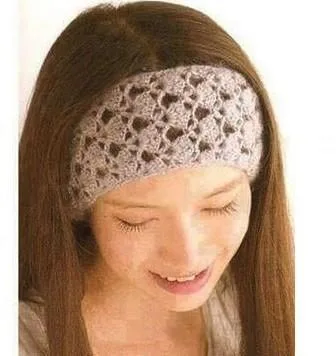
This diadem pattern turns a handful of simple stitches into a headband that feels far more polished than the effort it takes. Built on a three-round foundation, it alternates tall stitches for height, chain spaces for lace-like openness, and picots for delicate points along the edge. It's especially perfect for anyone who wants a first 'wearable' crochet project — something you can actually put on and feel proud of, not just a swatch tucked in a drawer.

The core techniques here are foundational: chaining, working tall stitches (like double or treble crochet depending on your gauge), and finishing with picots for texture. Because the pattern is only three rounds, it's incredibly approachable even if you've never made a garment-adjacent piece before. Expect to spend about one to three cozy hours total, including finishing touches, making it an ideal after-dinner or weekend-afternoon project.

The finished diadem sits softly against the head, with a structured-but-flexible feel depending on your yarn choice — crisp and elegant in cotton, stretchy and casual in acrylic. It's a lovely everyday accessory, but dress it up with beads, faux pearls, or metallic thread and it instantly becomes gift-worthy or even bridal-adjacent. Handmade, personal, and endlessly customizable — this is the kind of small project that makes a big impression.

Variations

I adore this pattern because it takes the absolute basics — chains, tall stitches, and picots — and turns them into something that actually looks intentional and pretty. There's something so satisfying about watching those little picot points pop up along the edge round after round; it's the moment the piece stops looking like 'practice' and starts looking like a real accessory. I also love how forgiving it is: the foundation is only three rounds, so if you mess up a picot or miscount a chain space, you're never far from just frogging back and trying again. It's the kind of project where you can sit down, put on a show, and have a finished headband before the episode ends. And because the yarn you choose completely changes the personality of the piece — structured in cotton, soft and cozy in wool, sparkly in metallic thread — you can make the exact same pattern five times and end up with five completely different vibes. That versatility is what keeps me coming back to it.

Common mistakes

  • Working the foundation chainUse a hook one size larger than your working hook just for the foundation chain, or consciously relax your tension — the chain should have visible, easy-to-spot loops.
  • Losing count of chain spacesPlace a stitch marker at the start of every round and count your chain spaces aloud or on a row counter after every few repeats to catch mistakes early.
  • Picots that are too tight or too looseWork picots with consistent chain counts and slip stitch back into the same stitch each time — practice a few on a scrap swatch first to find your preferred tension.
  • Choosing a yarn weight that doesn'tMatch yarn to purpose: cotton or bamboo for crisp, structured diadems; wool or thick acrylic for soft, warm winter headbands, as noted in the yarn guide.
  • Skipping the blocking or finishingLightly steam-block cotton or bamboo pieces (hover the iron, don't touch) to help the picots and tall stitches sit open and even before adding embellishments.
  • Sewing on beads, buttons, or ribbonsComplete the entire foundation piece first, weave in all yarn ends, then add embellishments as a final decorative layer using a yarn needle.

The rounds, in full

Written out, round by round

Beginner-Intermediate2-3 Hours3.5 mmWorsted

Materials

Everything this one takes, in the order you will reach for it.

  • Crochet hook (usually 3.5 mm – 5 mm)
  • Soft yarn (cotton for structure, acrylic for flexibility, wool for warmth)
  • Scissors
  • Yarn needle
  • Measuring tape
  • Beads
  • Buttons
  • Elastic bands
  • Satin ribbons
  • Faux pearls
  • Metallic thread

keep this to hand

Abbreviations

US crochet terms, as used in this pattern.

  1. chchain (the foundation)
  2. sl stslip stitch (joins rounds)
  3. scsingle crochet
  4. hdchalf double crochet (balanced softness)
  5. dcdouble crochet (airy elegance)
  6. picotpicot stitch (decorative edging)

Foundation

Chain 70–90 (depending on head size)

Join without twisting

  1. Round 1Single crochet in every stitch Join with slip stitch
  2. Round 2Chain 2 Half double crochet around Join
  3. Round 3Decorative Edge: 3 sc, picot repeat around

Fast, simple, elegant. You now have your first handmade diadem.

Important notes

Note 01

💡 Choose your hook size based on desired drape: 3.5mm for a tighter, more structured cotton diadem, up to 5mm for a looser, drapier wool or acrylic version.

Note 02

💡 Keep a stitch marker on round one at all times — with only three rounds total, losing track of where you started throws off the whole picot placement.

Note 03

💡 If adding faux pearls or beads, pre-thread them onto your yarn before you begin the picot round — trying to add them mid-stitch is fiddly and slows you down.

Note 04

💡 Test your picot tension on a small swatch first; picots worked too tightly will curl the edge, while too-loose picots lose their defined point.

Note 05

💡 Always hand wash your finished diadem in cold water and lay it flat to dry — never wring it, since twisting can distort the picot points and tall stitches permanently.

Note 06

💡 Store your diadem flat rather than folded or hung, especially if it includes beads or metallic thread, to keep its shape and prevent the embellishments from snagging.

Note 07

💡 Cotton yarn creates sharper stitch definition than acrylic or wool — perfect for elegant, crown-like diadems where crisp picots and tall stitches matter most.

FAQs

Asked on the glider

the ones that come up on the glider

What yarn weight works best for this diadem pattern?

Worsted weight is the most versatile starting point, but the pattern adapts beautifully to DK cotton for a crisper look or bulky wool for a cozier winter headband. Match your yarn to the finished feel you want, as lighter yarns give more delicate picots.

Can I make this diadem without picots if I'm a beginner?

Yes — you can simplify the pattern by skipping the picot round entirely and finishing with a simple slip stitch edge. The tall stitches and chain spaces alone still create a lovely textured headband.

How do I adjust the size for a child versus an adult?

Since the piece is worked from a foundation chain, simply reduce the starting chain count by 4-6 stitches for a child-sized diadem, or add 4-6 for an extra-loose adult fit. Always measure around the head where the band will sit before finalizing your chain length.

What's the best way to add beads or faux pearls to the design?

Thread your beads or faux pearls onto the working yarn strand before you start the picot round, then slide one into place each time you work a picot. This keeps the embellishments secure and evenly spaced without extra sewing later.

How should I care for a finished crochet diadem to keep it looking nice?

Hand wash it gently in cold water, never wring it, and lay it completely flat to dry so the tall stitches and picots keep their shape. Store it flat as well, especially if it has beads or metallic thread, to avoid snagging or distortion.